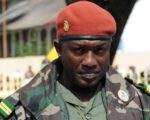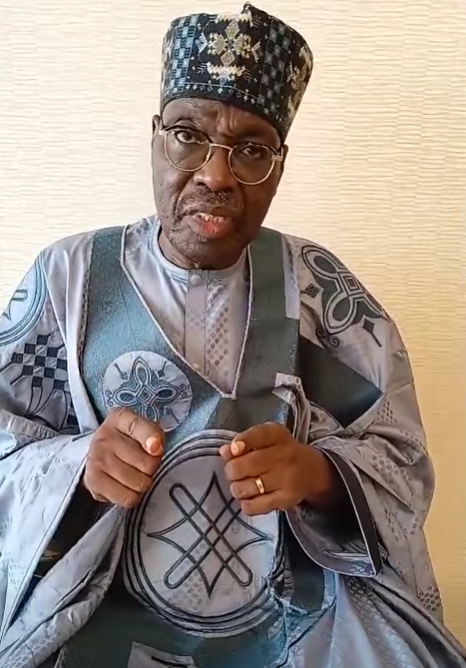
There are growing indications that Cameroon’s post-electoral crisis could evolve into an armed confrontation. Since the Constitutional Council proclaimed the results of the October 12 presidential election, the government has reportedly been arresting militants of Issa Tchiroma Bakary’s party, the FSNC, as well as opinion leaders who believe Tchiroma was the rightful winner.
Despite President Paul Biya’s swearing-in on November 6, signs suggest that tensions are far from over. In addition to the ghost-town operations observed between November 3 and 6, ongoing arrests have fueled fears that the crisis could escalate into something more serious.
A 48-Hour Ultimatum
On November 9, 2025, after several days of silence, Issa Tchiroma Bakary — who maintains that he won the election — released a video on his social media accounts. In it, he called on the government to immediately end what he described as arbitrary arrests and detentions. He gave the authorities 48 hours to release all detainees, warning that failure to do so would leave Cameroonians with no choice but to defend themselves.
In his statement, Tchiroma declared:
“For the first time in our history, all Cameroonians find themselves backed against the wall, facing a life-threatening menace from a dictatorial regime. They have arrested and jailed thousands without any legal basis. This government has embarked on ethnic, political, and regional cleansing. The situation is unbearable.
In my capacity as the president-elect — as Cameroonians and the world know — I urge this regime to stop attacking and killing our people. I give the government 48 hours to release all those unlawfully detained. Should it fail to do so, Cameroonians will have the right to defend themselves and take whatever action is necessary to regain their freedom.”
His words have since triggered widespread debate and uncertainty about what might follow.
Arbitrary Arrests and Detentions
Lawyers defending those detained have raised serious concerns about their treatment.
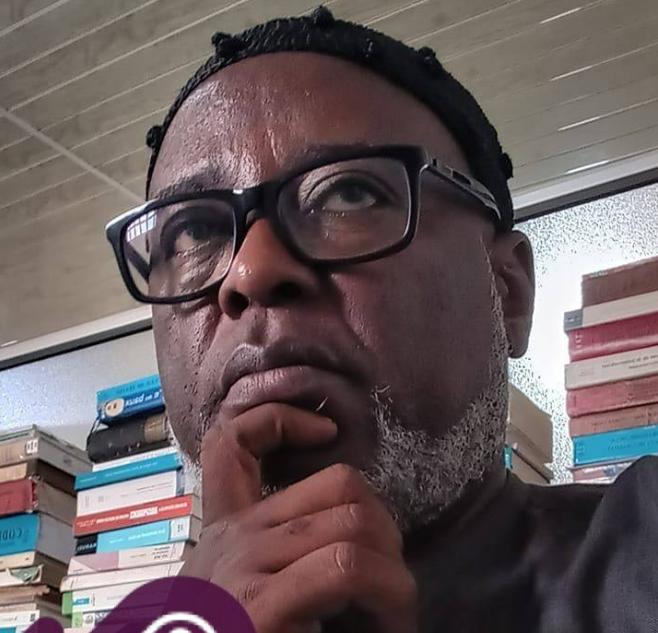
Barrister Hippolyte B.T. Meli, who represents several of the arrested individuals, reported on November 7, 2025, that at least 121 Cameroonians were presented before the Military Tribunal in Yaoundé. Many others, arrested in different regions, were transferred to the capital and are being held across various detention centers — including the Judicial Police, the Gendarmerie Headquarters (SED), and the GMI Central Command.
Meli cited the particularly disturbing case of Daga Ludovic, a member of the Cameroon Renaissance Movement (CRM) and a supporter of Tchiroma. He explained that Daga was abducted and blindfolded in Babadjou (West Region), held incommunicado for three days, and later appeared at the Gendarmerie Headquarters in Yaoundé suffering from serious eye damage caused by prolonged blindfolding.
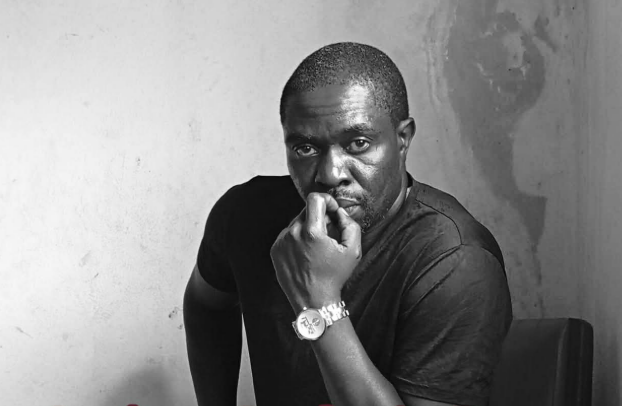
Although official figures remain unclear, pro-government commentator Ernest Obama stated on Canal 2 International’s program Canal Press that at least 1,200 people have been arrested in connection with post-election unrest.
Fear Looms
Following Tchiroma’s warning, uncertainty and anxiety continue to grow. During his swearing-in ceremony on November 6, President Biya — beginning his eighth term — blamed post-electoral unrest on what he called “irresponsible politicians.”
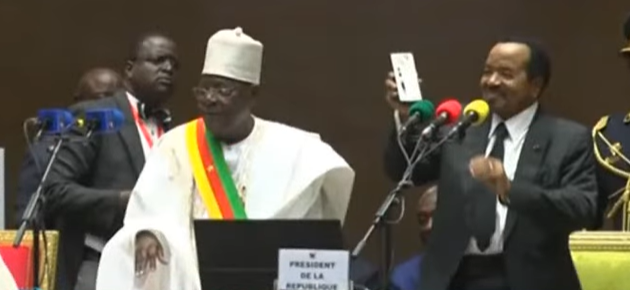
His tone was uncompromising, suggesting that the government views current repressive measures as the ultimate solution. Still, he also made a symbolic call for national unity and reconstruction.
Tchiroma’s 48-hour ultimatum, however, is unlikely to be taken lightly by the government. It has already sparked diverse reactions from political observers and legal experts.
Barrister Nkamwah Limen, speaking on Droit de Réponse on Équinoxe TV, cautioned:
“One thing I foresee is the danger of the Northern Regions becoming like the Northwest and Southwest. I’m from the Northwest, and if someone had told me that Anglophones would one day take up arms against the system, I would have denied it — I didn’t see it coming. Northerners, however, are even more radical than Anglophones. It could be worse there.”
It remains unclear what Tchiroma meant by urging his supporters to “defend themselves” and “free those detained.” Would this involve direct attempts to storm detention centers, or simply resisting further arrests? What is certain is that his warning signals a new and potentially dangerous phase of escalation.
Observers recall that the Anglophone crisis in 2016–2017 took a similar turn — shifting from civil disobedience to armed resistance after the arrest of movement leaders and their transfer to Yaoundé.
As of the time of filing this report, the Cameroon government has not officially responded to Tchiroma’s statement.