Early March 2026, citizens of the Republic of Guinea, both at home and abroad, protested against their government, accusing successive regimes of allowing their compatriots—especially undocumented individuals—to be deported from Germany. The situation escalated to a point where the Guinean Ambassador in Berlin and the German Ambassador in Conakry publicly addressed the issue.
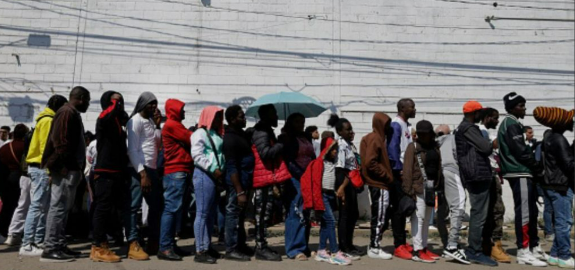
What the deportees and their families unknowingly witnessed, was part of a broader, increasing trend of deportations and travel bans imposed by Western countries on undocumented immigrants. There are strong indications that such measures may continue in the coming months and years.
Around the world, migration policies are changing rapidly, and one trend is clear: deportations and visa restrictions are increasing. In the U.S. and elsewhere, mass deportations have been ongoing since the early 2020s, and they are highly visible because of the scale and speed at which they are implemented.
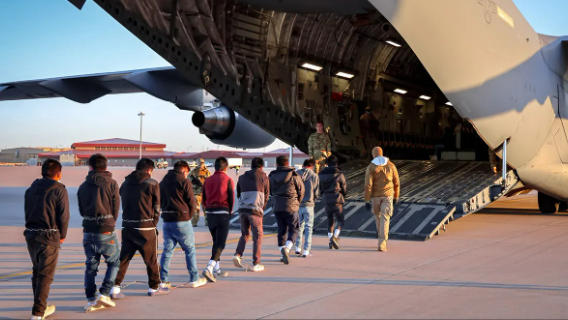
While the Trump administration has brought massive media attention to the issue, with his Immigration and Customs Enforcement, ICE crackdown, the reality goes beyond the headlines. Across the West, governments are tightening migration policies, particularly toward migrants from third world and developing countries, and deportations are likely to increase.
Why is this happening?
The reasons are complex, but they mostly revolve around geopolitical concerns, national security, and social stability. Western countries are trying to ensure, more than ever before, that their borders are secure, that people living within their territories are properly documented, and that migration is managed in a sustainable way. Deportations and visa restrictions are part of this effort.
Europe’s New Migration Pact Takes Effect June 1, 2026
Europe is a prime example of why these changes are happening. From June 1, 2026, the European Union’s New Pact on Migration and Asylum will be fully enforced.
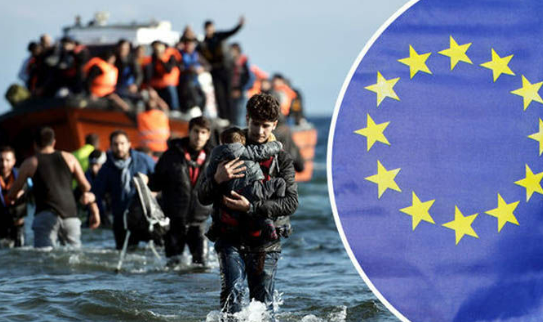
This policy is designed to address long-standing issues, including the 2015 refugee crisis, when millions of refugees from Syria, Afghanistan, and other countries arrived in Europe.
At the time, European countries welcomed these refugees, but the sudden influx exposed gaps in planning, housing, integration, and public services. The challenges of managing such large-scale migration continue to influence Europe’s approach today.
One key aspect of the new EU Migration policy is documentation and monitoring. Countries now aim to have accurate records of who enters, who stays, and who needs to leave.
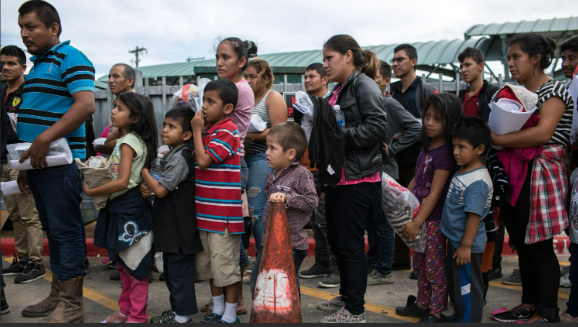
The plan according to the EU new migration pact, is to fast-track asylum processes, (to very few months) border screenings, (your asylum claim can be concluded at the border) and more efficient deportation procedures. Governments argue that these measures are necessary to prevent illegal immigration and maintain social order.
Security and Crime Concerns
Migration is not only a matter of numbers—it also intersects with concerns about public safety and crime. In countries like the UK, Sweden, Germany and other parts of Europe, there have been reports of violent incidents that are making authorities to have sleepless nights.

For example, there have been knife attacks in the UK, explosions and gang-related violence and crimes in Sweden, bank robberies in Germany and terrorist attacks in countries such as France and Belgium. Because of these incidents, governments and citizens alike, are calling for stronger measures to prevent crime and improve security.
While not all migrants are involved in criminal activity, these incidents shape public perception and influence political decision-making. Some countries are proposing outright deportation of criminals and very long prison terms for those convicted of serious crimes. There are suggestions for the deportation of ex-convicts.
While some Western countries are paying huge sums of money to governments to facilitate the return of their citizens in countries such as Syria and Sudan, others are proposing sums of money to refugee families who are willing to voluntarily return home.

Sweden, for example, is providing up to 350,000 Swedish Kronor (almost 38 000 USD) for refugee families who voluntarily choose to leave the country. There are even plans to double that amount! To show how serious the issue has become, Sweden is also considering a legislation that would allow authorities to revoke the citizenship of individuals who commit serious crimes. The focus on security also extends to broader societal challenges such as integration, employment, and housing.
Governments see stricter migration policies to maintain order, manage resources more effectively, and protect communities amid outcries from people who genuinely immigrated to visit, study or work, set up businesses, take care of their families and have stability.
Political and Geopolitical Shifts
The West’s tougher migration policies are also shaped by politics. Governments in the U.S., Europe, and other Western countries face pressure from voters demanding stronger borders and stricter controls. Political parties, particularly conservative or nationalist ones, have made migration a key election issue — a clear example being the United States.
Geopolitical factors also drive the current migration trend. Conflicts in the Middle East, Africa, and parts of Asia, along with economic hardships in developing countries and the world over, continue to push people to migrate.
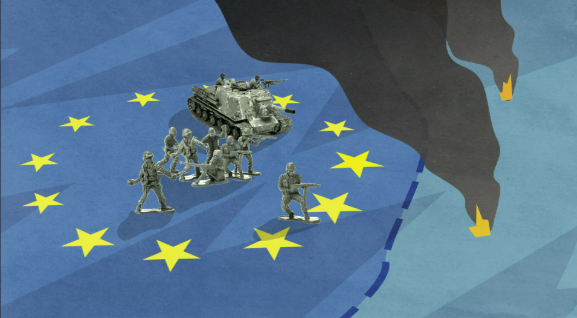
Moreover, tensions with the United States over issues like Greenland and other geopolitical disputes have shaken Europe’s trust in Washington, prompting countries to rethink their own security. Concordant reports indicate that European nations are now (re)arming themselves, increasing military budgets, and planning to manage their security more independently, especially with or without the USA they had seemingly been counting on! There would be apparently no time and resources to be managing the disturbing immigration trends.
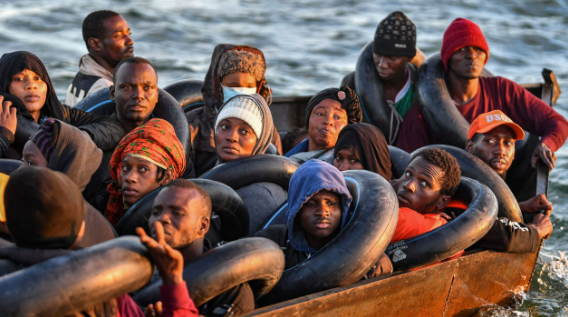
“Canada is experiencing a similar shift. Temporary visas such as study permits and visitor visas are becoming increasingly restricted, making them much harder to obtain. At the same time, roughly three million temporary visas in Canada are expected to expire this year, with limited pathways for renewal or extension. This has created significant uncertainty and anxiety for many temporary residents.
These measures are partly tied to the government’s efforts to address the housing crisis, which some political leaders have linked to rapid population growth driven by immigration since 2015. As a result, Canada, like many Western countries, is moving toward tighter immigration controls. New policies under consideration could also make it more difficult to seek asylum or refugee protection soon, ” writes our Editor, Peter Tah, from Canada.
Understanding these changes is crucial not only for immigrants but also for anyone following global politics and security. The West’s determination to control migration will continue to affect people, especially from developing countries or anyone seeking to live,study, or work in the West. 2026 may therefore emerge as the year of unprecedented visa restrictions and mass deportations.