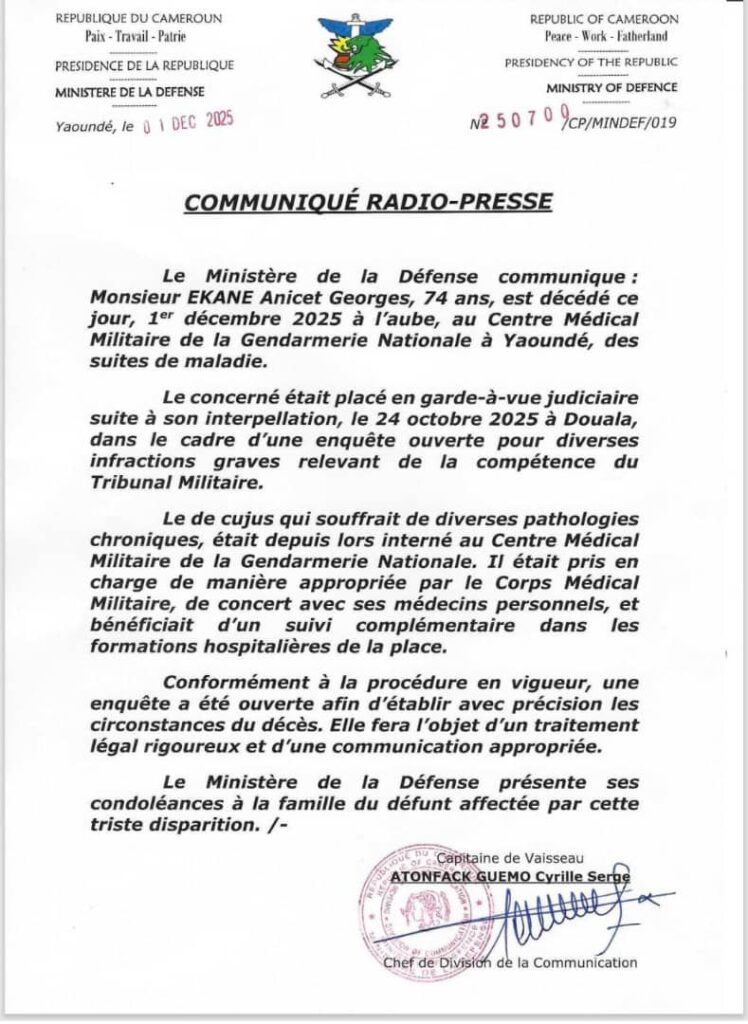
Despite two separate statements issued by the Cameroonian government—one from Cyrille Atonfack, spokesperson for the Ministry of Defence, and another from the Minister of Communication and government spokesperson, René Emmanuel Sadi—claiming that opposition leader Anicet Ekane received proper medical care at a military hospital in Yaoundé, several facts strongly suggest that the Yaoundé regime knowingly allowed his health to deteriorate, ultimately leading to his death.
The same fate appears to threaten other detainees arrested following the highly contested October 12, 2025, presidential elections.
It is particularly striking that both government statements, dated December 1, 2025, called for an investigation into Ekane’s death, even though authorities were fully aware as far back as October 24, 2025—the day he was arrested—that he suffered from serious respiratory problems.
In a state of shock, René Emmanuel Sadi told journalist Angela Forbin, that some ministers believe actions—such as arresting and detaining those who challenge presidential election results—serve the nation’s interest, even when they can be harmful.
He appeared to implicitly criticize Interior Minister Paul Atanga Nji, widely seen as orchestrating the arrest, torture, and detention of opposition leaders, particularly supporters of Issa Tchiroma Bakary. Ekane and others were charged with hostility against the nation and inciting a revolution—accusations he fully denied.
Medical Equipment Confiscated from Day One
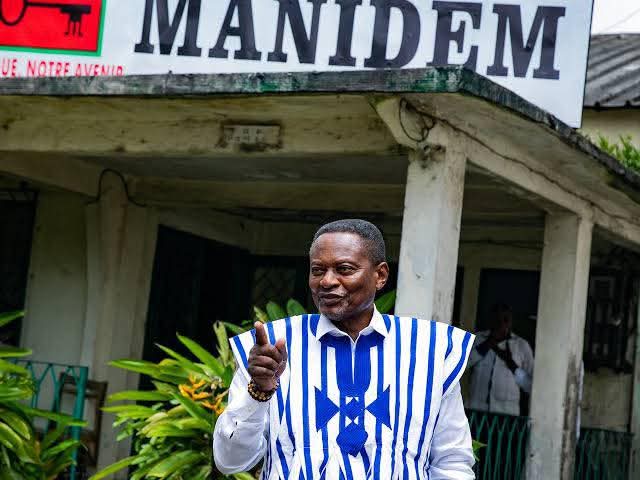
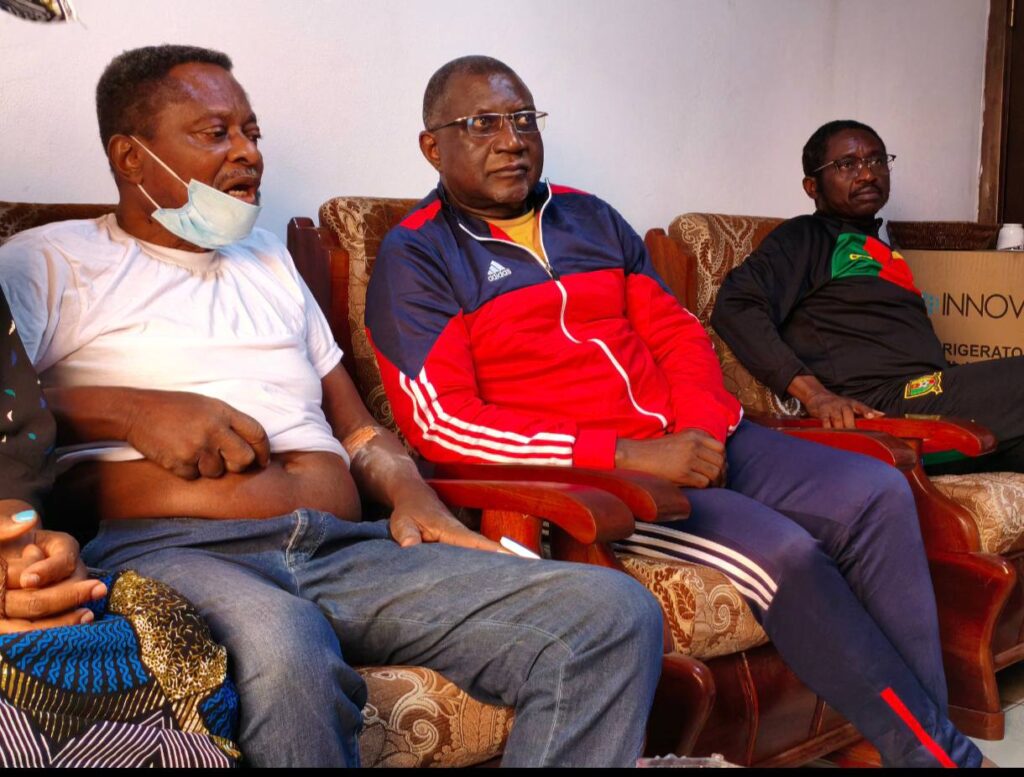
After his abduction by gendarmes in Douala, Ekane’s party, The Movement for Africa’s New Independence (MANIDEM), quickly raised alarm, noting that his crucial respiratory extractor had been seized along with his vehicle. This placed his life at immediate risk. Despite repeated warnings, the gendarmerie kept the life-saving equipment under seal.
Lawyers’ requests Ignored
Weeks after his arrest, the team of lawyers defending an estimated more than 3,000 detainees tried—unsuccessfully—on November 13 to retrieve Ekane’s oxygen extractor from the Gendarmerie Headquarters in Douala. Led by Barrister Hippolyte Meli, the lawyers formally wrote on November 15, 2025 to the Commander of the Littoral Gendarmerie Legion, Colonel Jean-Pierre Otoulou, requesting the immediate return of Ekane’s medical equipment, which remained impounded. The letter stressed that Ekane was facing serious and documented health challenges. The gendarmerie offered no response.
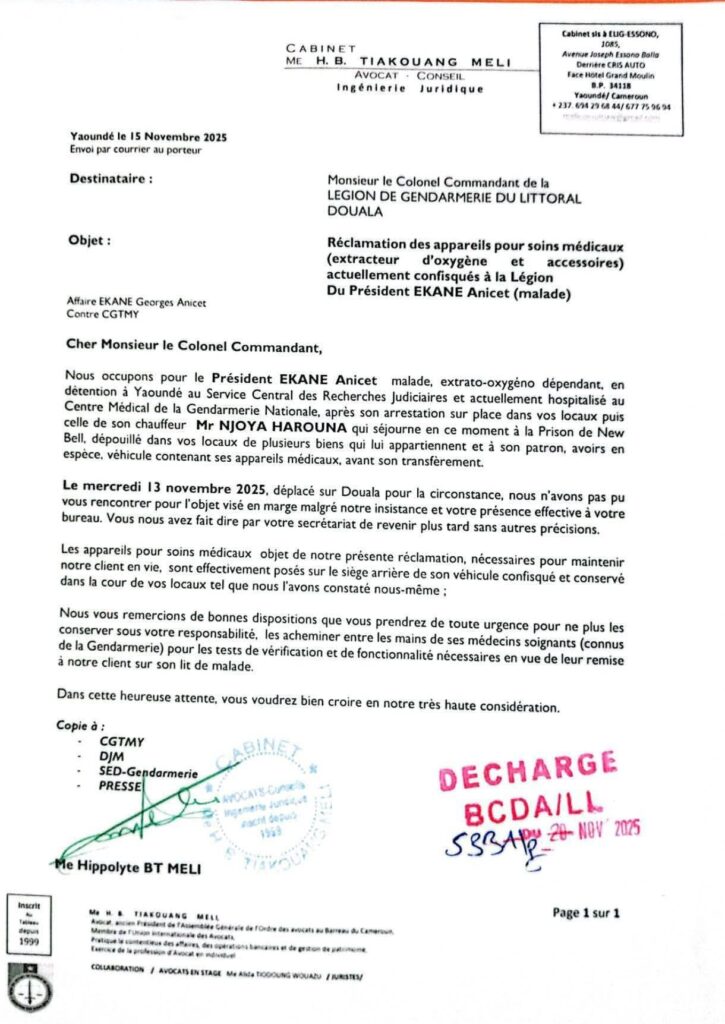
In another letter, dated November 21, 2025, the lawyers warned explicitly that withholding equipment essential for Ekane’s survival—including his oxygen extractor—could lead to his death. Again, authorities remained silent.
Ekane Slowly Dying in Custody
The refusal to return the medical equipment meant that Ekane’s health declined steadily and predictably. Repeated cries from his lawyers and close family members that Ekane was dying were ignored by authorities.
While Ekane was slowly dying, Yaoundé regime apologists and activists—including Raoul Christophe Mbia, Bruno Bidjang (the latter is implicated and a key suspect in the murder of journalist Martinez Zogo), and Ernest Obama—took to social media to claim that reports of the confiscation of Ekane Anicet’s medical equipment were false. They further spread misinformation, alleging that arms had been found in the homes of Ekane Anicet and Djeukam Tchameni at the time of their arrests.
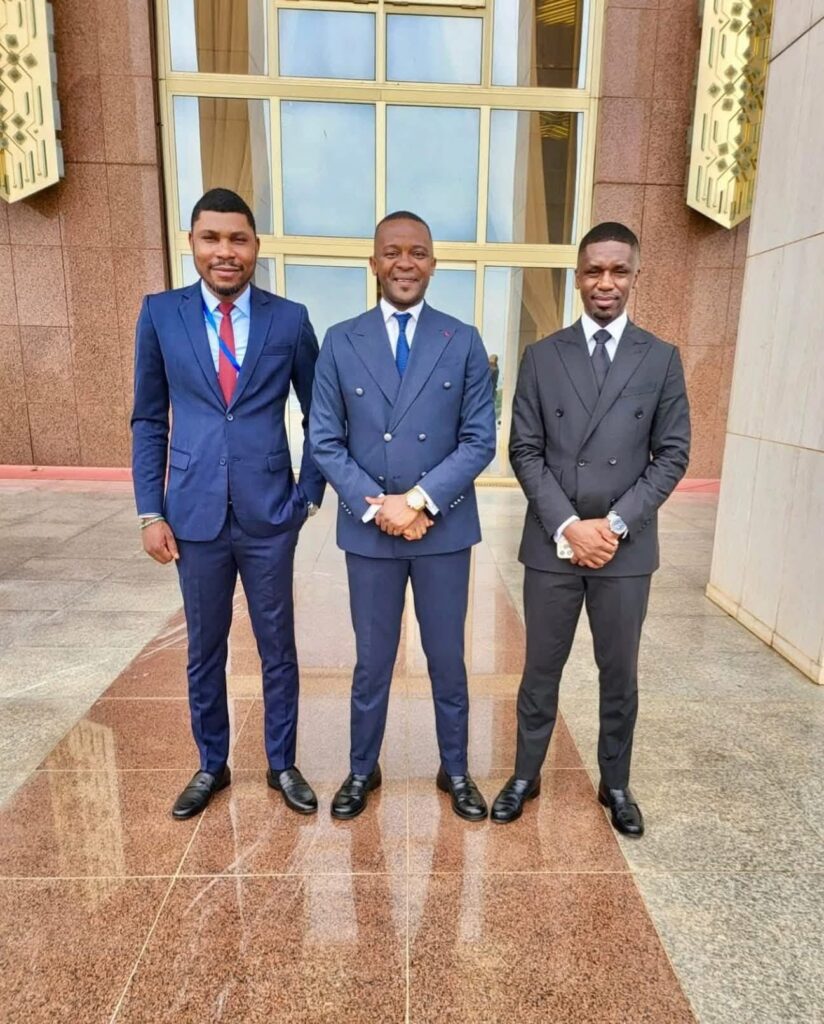
Lawyers who lastly met Ekane—among them Barrister Simh—painted a grim picture of his condition:
“We want to draw the attention of the national and international community to the situation of Anicet Ekane, who is very ill. We went to the SED Medical Center. We were searched down to our private parts before meeting him. Ekane was lying down, almost without hope, visibly distressed. He barely spoke and insisted he wanted his personal doctor. We believed he had no access to his specialist.
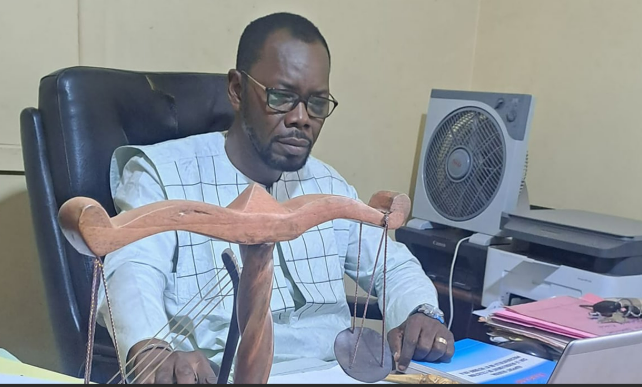
He asked us to call his wife so his specialist could come. We wondered whether he was being denied the constitutional right to a doctor of his choice,” explained one of the lawyers at a press briefing on Friday November 28. Ekane earlier told his lawyers that the military hospital could not manage his condition and requested a transfer to a properly equipped facility. The regime simply ignored his pleas.
Medical Equipment Returned Too Late?
It was only on November 28 that Barrister Meli informed the public, via Facebook, that Ekane’s medical equipment had finally been returned.
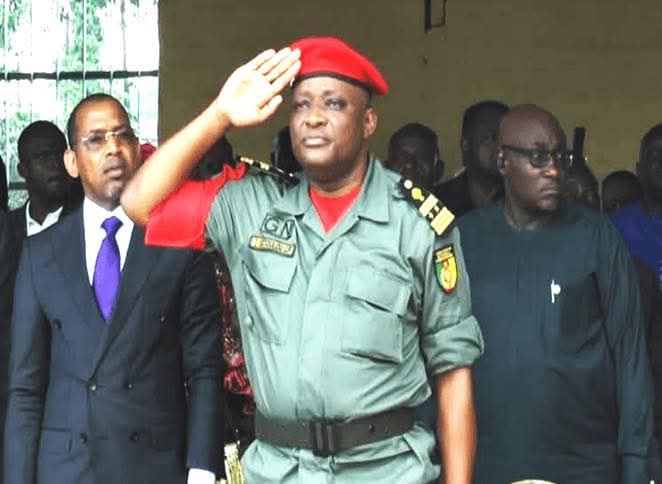
According to Meli, the oxygen extrator—which had been confiscated for over a month—was brought to Ekane’s hospital bed at the National Gendarmerie Medical Centre in Yaoundé. However, he expressed concern that, it was unclear whether the machine was still functional since no technical checks were carried out. Besides, returning the machine this late could not undo the damage already inflicted.
A Death That Could Have Been Prevented
Ekane’s family had repeatedly warned that his health was deteriorating and that he risked dying in custody. Government authorities remained silent until he died during the night of November 30 to December 1, 2025.
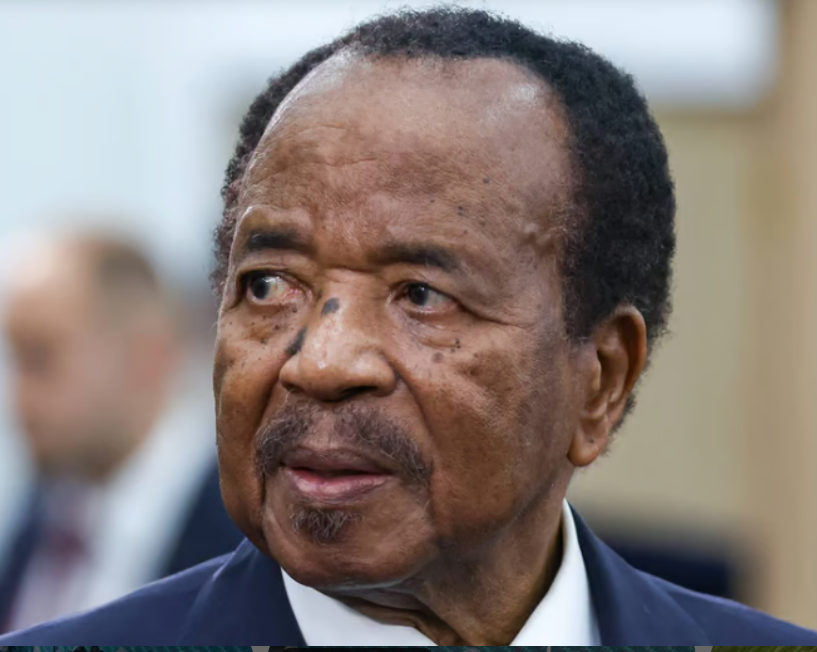
Given the sequence of events—deliberate medical neglect, confiscation of life-saving equipment, denial of access to his personal doctor, and obstruction of legal interventions—Ekane’s death can legitimately be described as a politically driven assassination through calculated neglect.
Anicet Ekane is considered a “veteran opposition figure” in Cameroon — a man whose political life spanned decades, from anti-colonial legacy roots to modern struggles for multiparty democracy and human rights. His life illustrates both the challenges and the risks faced by opposition politicians in Cameroon, especially those confronting entrenched power structures.
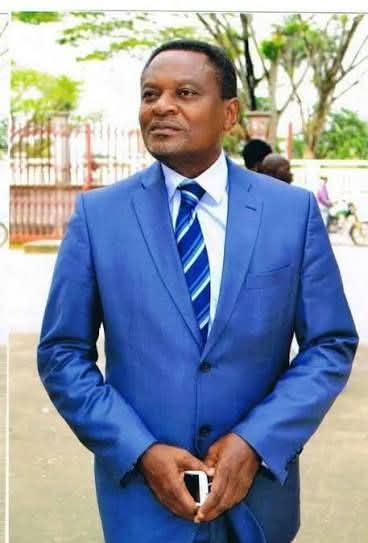
Who is actually Georges Ekane Anicet. He was born on 17 April 1951 in Douala, Cameroon.
Early Life, Education and Political Awakening
- Ekane attended secondary school in Cameroon — including at the Lycée Joss and Collège Alfred Saker.
- He then moved to France for further studies, attending Collège Saint-Pierre in Lille, and later university (economics and administration) at University Lille 1 and ESCAE.
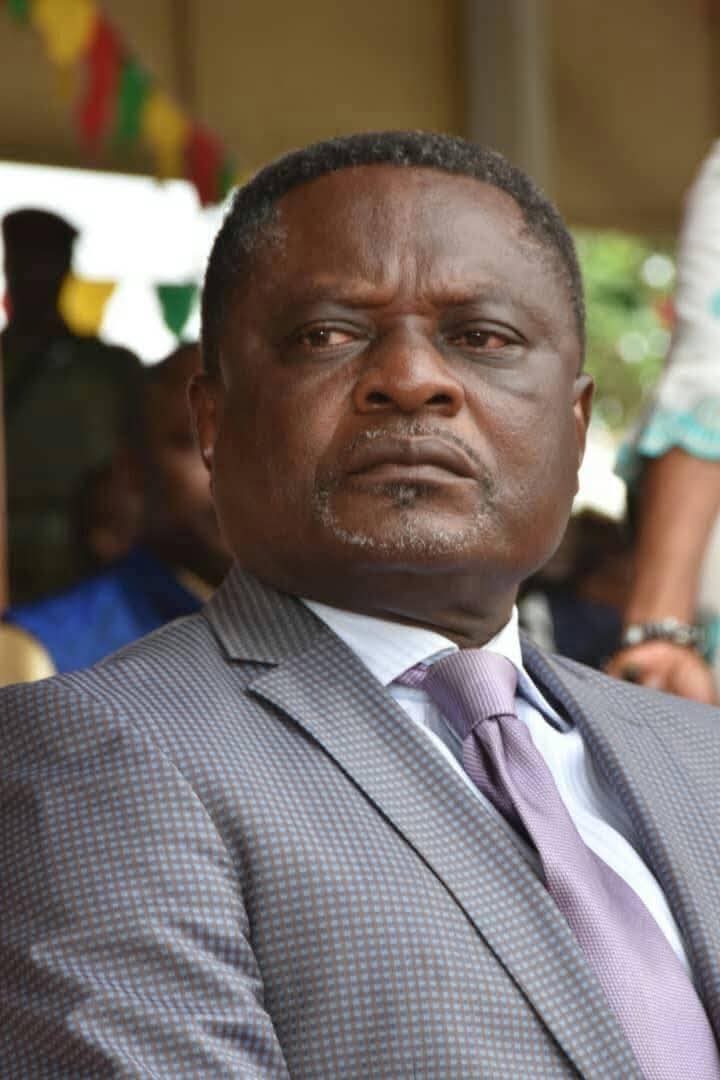
- A formative moment: in January 1971, while at school, he witnessed the execution of Ernest Ouandié — a prominent anti-colonial leader in Cameroon. That event had a deep impact on his political awareness.
Political Activism & Early Struggles
- In 1973, he joined Union des populations du Cameroun (UPC), a historic political party.
- Upon returning to Cameroon in 1983, after the accession to power of Paul Biya, Ekane took part in clandestine political activism with UPC. By the late 1980s, he was involved with a group of “democratic patriots” alongside other activists such as Yondo Black.
- On 19 February 1990, Ekane and associates were arrested for their political activities (forming a party, distributing leaflets, etc.). In April 1990 he was sentenced by a military tribunal to 4 years in prison, plus a heavy fine and civic rights revocation.
- He was released on 14 August 1990 under a presidential pardon and resumed political activity.
Formation of MANIDEM and Leadership
- In 1995, Ekane and former UPC members founded MANIDEM (Mouvement africain pour la nouvelle indépendance et la démocratie, African Movement for New Independence and Democracy).
- Over the years, MANIDEM became one of Cameroon’s opposition parties. Ekane served at various times as its president.
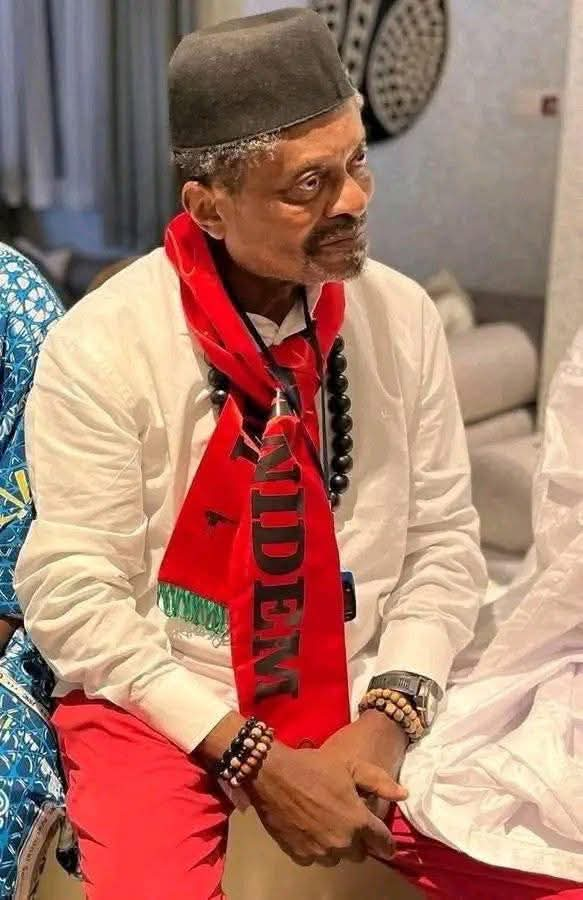
- Under his leadership, MANIDEM has positioned itself as a pan-Africanist, sovereigntist party with roots in the anti-colonial tradition of the UPC, advocating democracy, social justice, and independence from neo-colonial influence.
(2020s) & 2025 Election
- As of mid-2025, Ekane was still recognised legally as president of MANIDEM — despite attempts by other figures to usurp the title.
- Ahead of the October 2025 presidential election, Ekane and MANIDEM supported Issa Tchiroma Bakary as opposition candidate.
- After the vote — amid disputed results — Ekane was arrested (on 24 October 2025) along with other opposition leaders.
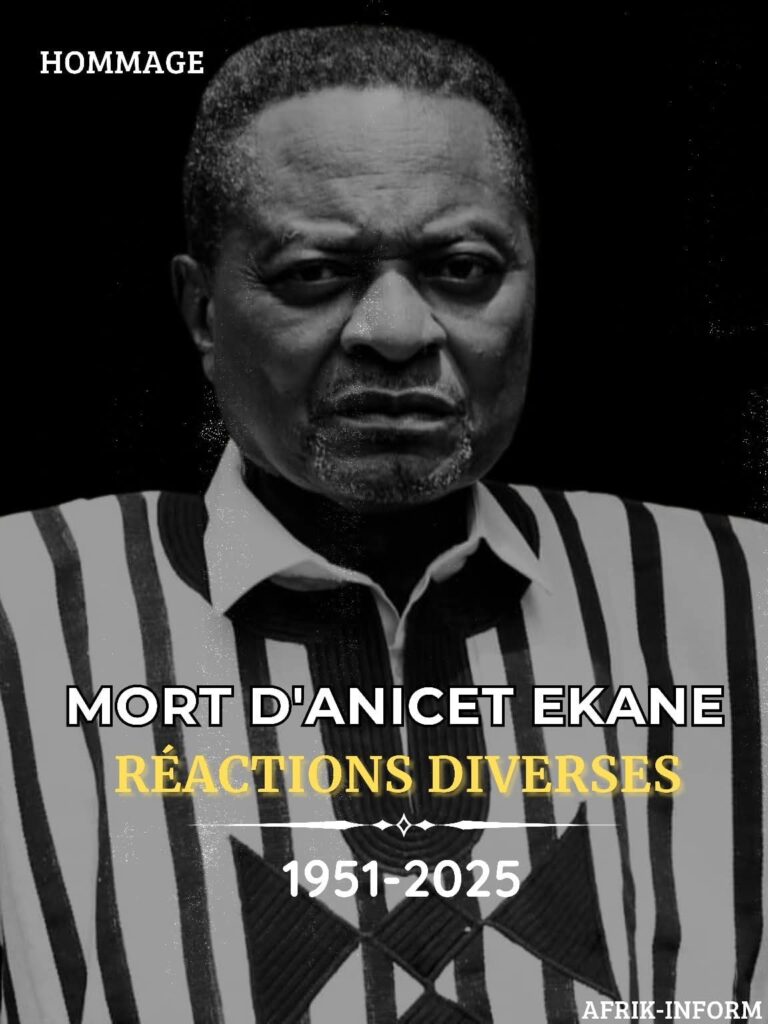
- Following his arrest, there were serious concerns about his health: reports say he was oxygen-dependent, and his oxygen concentrator — critical for his survival — was confiscated by authorities.
- On 1 December 2025, his death was announced.