There comes a time when a nation must pause and ask itself an uncomfortable question: does the constitution still serve the people, or has it become a tool for those in power?
Cameroon has reached that point!
A constitution is meant to reflect the collective will, aspirations, and safeguards of a people. Yet today, it increasingly appears rigid, unresponsive, and disconnected from lived realities. Rather than functioning as a stable and impartial framework, it is perceived by many as selectively applied and periodically adjusted to accommodate the interests of those who govern.
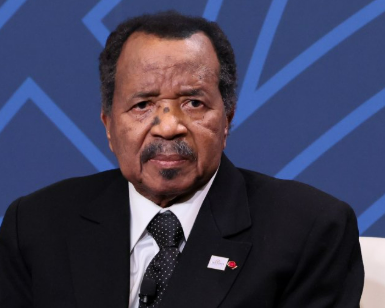
A constitution should never be subject to the will of a single individual. Yet, this appears to be the reality we see. Instead of standing as a firm and impartial framework, it is repeatedly adjusted to serve those in power.
Amendments are not driven by broad popular consensus, but by an executive authority supported by a Parliament widely perceived as lacking independence and incapable of tabling just a single bill since its creation. That is why decisions such as the extension of mandates for Members of Parliament and municipal representatives are made at the discretion of the executive, further eroding institutional credibility. What emerges is not governance anchored in the rule of law, but a system in which the law is reshaped to suit Mr Biya’s convenience. The absence of a clear and credible electoral calendar only deepens this uncertainty.
Constitutional Tweaking
Many keen observers saw the warning signs long ago. When Mr. Biya used the army, his brutal, Rapid Intervention Battalion, BIR, in 2008 to remove Article 6.2 of the 18 January 1996 Constitution, unlimiting presidential term limits, it became clear that the country was heading into a rough ride. That moment signalled a viewpoint—Mr. President Paul Biya‘s wish and ardent desire to hold on to power indefinitely and apparently avoid any possible prosecution for mismanaging the country, running it like an animal farm for more than four decades. In other words, it was painfully clear: he wanted to hold on to power till death.
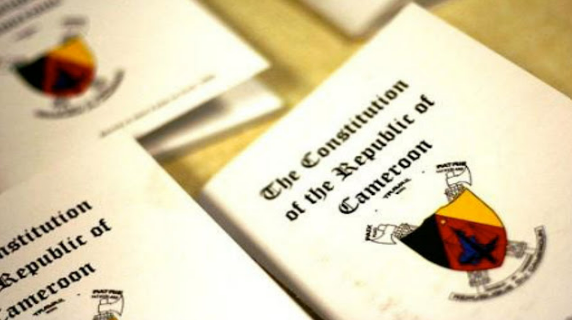
To rule until the very end—whenever that may come—while a system of patronage and corruption continues unchecked. What followed was his continuous election rigging : 2011, 2018 and most recently the 2025 presidentials.!
Disengaged, Constrained Citizenry
While the regime continues to cut and nail the constitution, the powerless people wait. They wait, almost as if waiting has become a way of life. Like characters trapped in a story where change is always promised but never arrives, they remain suspended in endless anticipation—speculating about who might be the next “appointed” Vice President, vested with sweeping powers.
They remain trapped in polarised televised debates spearheaded by those whom the iconic literary critic, Bate Besong described as “Kabou Kabou Professors.” The people have suddenly become analysts and constitutionalists! They remain trapped in beer consumption and in becoming social media and online judges, online in-laws, defamers, blackmailers, and overly sensitive to anything related to sex.
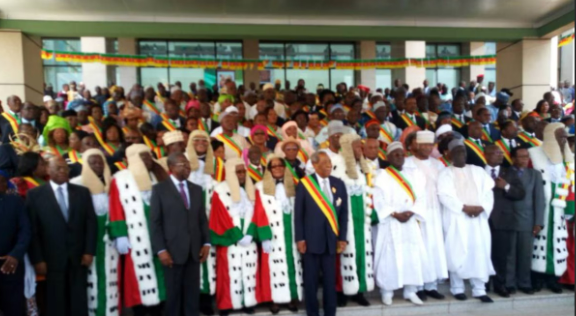
The regime continues to look for what to do, now that it is clear the old man, Biya, cannot live forever!
Anglophone Vice Presidency?
It is almost tragic to watch Southern Cameroonians/Anglophones place hope in such speculation—wishing that one of their own might be chosen, as though that alone could alter their reality. But what has history shown?
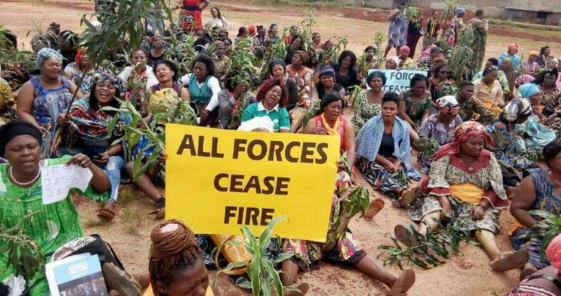
What have those previously appointed—from Prime Ministers to ministers—truly done for their people? Too often, they have simply sung for their supper, serving power rather than those they claim to represent.
They do not seem to ask what happened when the late President Ahidjo just got up one day and scrapped the 1972 federal constitution, which forms the historical roots of the current tensions in the Southern Cameroons against the Biya-led regime. Appointing a Southern Cameroonian or Anglophone as Vice President does not address any issue. The people do not believe in appointments; they believe in participation to decide their own future and destiny. No aboriginal Southern Cameroonian should be moved by such political appointments and gesticulations.
Change must be from the people!
Yes, the constitution is constipated. But if it must be revisited, then it must be done with honesty, inclusivity, and courage. It must belong to the people—debated by them, shaped by them, and ultimately serving them. Anything less is not reform; it is betrayal.
And as long as power remains concentrated in one man’s hands, the truth is stark: he could appoint anyone—even his son or a figurehead—as Vice President. Because the real issue is not who is appointed, but a system determined to preserve itself at all costs—even to the very end.